

TransFormations, one of the longest running clinical conferences focused on working with Trans and Gender Diverse (TGD) communities in the US, returned March 29, 2025. This year’s theme centered around life span issues within the TGD community.
Schedule for Saturday, March 29, 2025 (click presentation title for more information)
Registration & Sign-in: 8:30 am – 9:00 am
Keynote Address: 9:00 am – 10:30 am
Keynote Address: "Allyship In Motion: Creating Impact Across the Margins" with Tiq Milan
Presentation Block A: 10:45 am – 12:00 pm
Finding Faye: The Pleasure of Discovery in a Cis/Trans Analytic Dyad
Presenter: Robert D. Campbell, MA, LCSW
The Paradoxical Use of the Dead Name: Ways to Help Parents of LGBTQI Youth Come Out
Presenter: James Vining, LCSW
Trans Phantoms across the Lifespan
Presenters: SJ Langer, LCSW, Louisa Gleichman ATR-BC, LCAT, Nicole Titus, and Candice Fernandez
Lunch (offsite): 12:00 pm – 1:15 pm
Presentation Block B: 1:15 pm – 2:30 pm
The Body as Home: Two Analysts’ Journeys “Coming Out” to their Patients
Presenter: Gabriel DeCicco, LCSW-R
“I Want Them to See Me as a Boy, Not a Man”: Ambivalence towards Maturation and the Treatment of Eating Disorders in Transmasculine Young Adults
Presenter: Anya Josephs, LMSW
Presentation Block C: 2:15 pm – 4:00 pm
"From the Outside Looking In: Transmasculine Narrative Identity Development, Experiences, and Larger Narratives on Social Media"
Presenter: Micah Roldan
The Dreamed Body: a phenomenological approach to the bodily experience of trans and gender-diverse people (TGD)
Presenter: Claudio Martinez, PhD
Houselessness Risk Among Trans and Gender Diverse Individuals Across the Lifespan: A Review of the Literature
Presenter: David Thomas
Presentation Block D: 4:15 pm – 5:30 pm
You Bring the Ingredients, I’ll do the Baking: A Reciprocal IVF Journey
Presenters: Ashley “Smash” L. Koenig, PsyD, & Emilie Clark, LCSW
Recognizing the Overlapping Experiences That Partners and Parents Navigate Throughout the Gender Transition of Their TGD Loved One
Presenter: D. M. Maynard, M.S., M.A.
Keynote Address: "Allyship In Motion: Creating Impact Across the Margins" with Tiq Milan
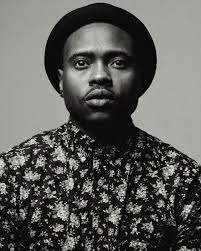
Tiq Milan speaks and writes about intersectional leadership, transgender rights, and racial justice. He shares stories of his life and how his transgender experience has informed his views on masculinity, race, and the gender binary. A journalist for over a decade, his work has appeared on MIC, Buzzfeed, NBC and CNN. He is also a strategic media consultant helping organizations and companies create detailed media campaigns that will engage diverse audiences in ways that are inclusive and authentic.
Finding Faye: The Pleasure of Discovery in a Cis/Trans Analytic Dyad
This presentation is an adapted version of my final control case paper written to complete my psychoanalytic candidacy at the Psychoanalytic Psychotherapy Study Center (PPSC). The paper traces my (up to that point) five-year analysis with Faye, a transwoman who began working with me when she was 26 years old and who initially identified as nonbinary. The paper illustrates the evolution of both my development as a psychoanalyst as well as the development of the analytic relationship with Faye and her developing sense of her gender identity, how these separate but related processes paralleled and influenced each other, and how they culminated in new and unexpected experiences for both analysand and analyst.
I trace the arc of this treatment from one that was initially more rigid, cautious, and insecure to one that became more relaxed, spontaneous, and secure—and which ultimately allowed for a fuller range of affect, experience, and identity for both Faye and myself. To illustrate this movement, I cite relational psychoanalytic concepts of mutual recognition, mutual impact, and co-creation. The paper culminates in a series of sessions in which Faye and I are drawn into a spontaneous experience of ultimate recognition and parental transference which leads to a mutually pleasurable moment that still stands as one of the most unexpected experiences of my clinical career.
About the Presenter:
Robert D. Campbell, MA, LCSW, is a psychotherapist and psychoanalyst in independent practice in NYC. Robert holds a Master of Arts in British and American Literature from Hunter College and a Master of Social Work from New York University. He received his psychoanalytic training from the Psychoanalytic Psychotherapy Study Center (PPSC) where he is also on faculty, and he is currently a candidate in the Program in Trauma Studies at the Manhattan Institute for Psychoanalysis. Robert also served as the Associate Director of the Center for the Study of Gender and Sexuality at New York University for many years. He is a member of the American Association of Psychoanalysis in Clinical Social Work (AAPCSW) as well as the American Psychological Association, Division 39: Society for Psychoanalysis and Psychoanalytic Psychology. Robert’s practice focus is on relational trauma, sexuality, and gender as well as relationships and communication. More information about his practice can be found at rdctherapy.com.
The Paradoxical Use of the Dead Name: Ways to Help Parents of LGBTQI Youth Come Out
Working from the supposition that coming out is not merely a singular event or celebration of an individual self, but an extremely complex family process that must change entrenched family dynamics, this case presentation will focus on two trans MTF young people within a high school setting. The presentation will focus on how coming out often creates a double bind for families who want to understand and celebrate their young person but are also in a state of unconscious mourning which becomes enacted in the ways they relate to their child.
This paper will discuss how an LGBTQI affirming school setting serves and fulfills positive self-object needs not provided yet by the parents and as a transitional object for trans and gender diverse children. We will spend time discussing how the alternate use of the child’s birth or “dead” name and their child’s new self-made name in the sole presence of the parent (and not the child) provides a safe space for the parent to begin to validate their child’s burgeoning identity. Moreover, this oscillation and repetition of both names in discourse with other caring providers allows parents and caregivers to begin to internalize the youth’s trans/gender diverse identity while mourning some of the aspects of their “birth” child that ultimately strengthens communication in the family unit and provides better outcomes for trans youth.
About the presenter:
James Vining was born and raised in Brooklyn, NY. He graduated from Silberman School of Social Work at Hunter College. In practice for over 15 years, he specializes in working with LGBTQI and gender diverse youth in a variety of settings. He is a high school Social Worker and has a private practice in NYC. Mr. Vining has also taught poetry, photography, mask making, and filmmaking to teenagers and young adults.
From the Outside Looking In: Transmasculine Narrative Identity Development, Experiences, and Larger Narratives on Social Media
Narrative identity development is an essential process in how individuals perceive themselves and the world around them. Often, narrative identity is studied in cisgender heterosexual individuals and applied broadly with little acknowledgment of individuals who fall outside of these gender and sexuality categories. This lack of acknowledgment creates and perpetuates a gap in narrative identity development research for queer, transgender, and gender-diverse individuals. Drawing upon existing literature, autoethnography, and my Master’s thesis, my research and analysis aim to meaningfully bridge this gap by studying the narrative identity development of transmasculine individuals through the lens of social media use.
Utilizing gender transition journeys posted on social media sites such as TikTok, Instagram, and experiences posted to online forums like Reddit by transmasculine people, my research findings propose that the use of social media to share gender transition journeys has created a new digital trans and queer narrative for users and viewers. This new narrative is vital to identity development in transmasculine individuals utilizing social media to learn about transitioning, share their transition, and/or find trans community.
My findings further emphasize that it is often difficult for transmasculine individuals to find comfort and support in their daily lives leading them to turn to social media and digital spaces as a solution. In this solution, social media serves as and creates a gender-neutral and liminal space. This space allows transmasculine individuals to exist authentically in a way that is not possible in the dichotomous binary world of cisgender male and female categories. Since social media and digital spaces are suspended from reality, the gender norms present in the real world may not always be present in digital spaces. Furthermore, this new space creates room for liminality, reshaping the way gender is viewed and experienced, therefore, contributing to and creating a new alternative narrative that is trans and queer, disrupting and reshaping the traditional male/female binary master narratives that are often transmitted through mass media and U.S. American culture.
In my presentation, I discuss the visibility and representation that social media can offer to queer, transgender, and gender-diverse individuals allowing them to explore various elements of their identity and aiding in the development of healthy autonomy and agency throughout their life. I emphasize how the digital trans and queer narrative continues to be such a crucial aspect of sharing online and represents an embodiment of the trans experience that is much larger than ourselves. I also emphasize that this narrative and the contribution to it directly affects narrative identity development in transmasculine individuals, especially trans youth around the U.S. With the current climate of anti-transness in the U.S., my proposed presentation highlights the importance of co-creating essential safe spaces (physical and virtual) to allow for healthy identity development for LGBTQ+ youth, adolescents, and adults.
About the presenter:
Micah Roldan (he/they) is a queer and transmasculine educator, researcher, and poet in New York City. He resides in the city with his dog Garbanzo while working on various professional and creative projects. His professional work and research revolve around the intersectional lived experiences of transmasculine individuals and focus specifically on how the use of social media affects transmasculine identity development and life experiences. His creative work focuses on complex topics such as love, sexuality, gender identity, grief, mental health, and humanity. Micah holds a Bachelor’s Degree in Professional and Technical Writing and earned their Master’s Degree from the CUNY Graduate Center in Liberal Studies concentrating on Women’s Gender, and Sexuality Studies. They currently work within the Higher Education sector facilitating undergraduate courses in areas such as first-year seminar, composition, identity, and visibility while discovering new ways to help incoming first-year students feel supported and valued throughout their college experience.
The Body as Home: Two Analysts’ Journeys “Coming Out” to their Patients
This presentation explores the clinical implications of a therapist’s pregnancy and gender transition; the attendant body changes impact treatment in significant ways. When transitioning to a congruent gender identity or choosing to gestate, the therapist finds themself face to face with their own embodiment; heightened attention to embodiment saturates the therapeutic dyad. Optimal development allows for the experience of what Winnicott (1970) referred to as in dwelling: the sense of fully inhabiting one’s mindbody. A pregnant body is home to the growing baby; a pregnant person grapples with feeling at home with oneself alongside of unprecedented changes. A gender transition reflects an effort to come home to one’s body; to belong within the contours of one’s own body. The authors will highlight the similarities and differences inherent in these embodied gestational experiences - that of the analyst giving birth and of the analyst being re-born.
Learners will be able to recite common transference responses to pregnancy and/or gender transition. Learners will be able to explain ways that body changes corresponding to gender transition and/or pregnancy constitute inevitable self-disclosure. Learners will be able to explain ways that embodiment can become a focal point of treatment during the analyst’s gender transition and/or pregnancy.
About the presenter:
Gabriel is a transgender psychoanalyst who has worked in the field of mental health for 20 years. He went to NYU for his Masters in Social Work and later went on to complete two post-graduate programs at the Institute for Contemporary Psychotherapy in New York City for Psychodynamic Psychotherapy and Psychoanalysis. He was a Clinical Assistant Professor at NYU Langone Medical Center from 2008-2015. Gabriel is the President of DeCicco Psychotherapy & Consulting, LLC, and has a full-time private practice in Manhattan, NY, where he sees patients both in-person and virtually in the tri-state area.
About the co-author:
A psychoanalyst in private practice in Denver, Colorado, Balin is a graduate of the Institute for Contemporary Psychotherapy's Psychoanalytic Program in New York City. Balin earned her MSW from the George Warren Brown School of Social Work at Washington University in St. Louis, Missouri. She began her career as a social worker at Planned Parenthood of New York City; Balin also served as a medical interpreter for Spanish-speaking patients. She is a faculty member at the Denver Institute for Psychoanalysis.
Trans Phantoms across the Lifespan
Trans phantoms are bodily sensations of gendered body parts that a person was not born with (i.e., phantom penis in someone assigned female at birth). Our research examines the prevalence and phenomenology of trans phantoms across the transgender, nonbinary and gender diverse people (TGD) as well as a phenomenological study of phantom penis. Based on the theory of the Bayesian brain, the predictive processing of the brain holds hyperprior predictive settling points of certain gendered bodily experience which is not reciprocated by the material body. This theory follows the conceptualization of neuronal processing set forth by Friston (2009) with the Free Energy Principle and applied to TGD experience of gendered bodily dysphoria by Langer (2019). There are gendered hyperpriors that are only resolved by external action as opposed to internal homeostatic responses, in this case, gender affirming interventions such as social transition, hormone treatment and/or surgery. In the instance of trans phantom perceivers, the predictive processing extends to physical perception of the body part as opposed to non-perceivers who feel the need for that part but not the physical extension of it (i.e., there are transwomen who know their bodies will not be congruent until they have a vagina whereas there is a small subset who know that and feel the sensation of one). We have two studies to demonstrate this phenomenon. The first study was on trans embodiment and tracked the prevalence of trans phantoms in a large (n=1446) online their bodies (Langer et al, 2023). These included subjective experiences of interoceptive sensitivity such as hunger, need to use the bathroom, breath, temperature and pain. 701 subjects across TGD identities endorsed experiencing the sensation of a gender-affirming body part that they were not born with. These included phantoms across various body parts such as lips, breasts, vagina, hips, penis, testicles. Our other study was to conduct phenomenological interviews with 26 transmasculine people on their experience with a phantom penis. Interviews focused on answering some of these questions: What are the perceptual, physical, phenomenological, and erotic dimensions of phantom penises, as personally experienced by (some) TGD individuals? What are the individual characteristics of phantom experiences, e.g., their location, onset, frequency, intensity, and endurance? How do phantoms operate through time and across activities? How do individuals understand or conceptualize their phantom phenomena? Preliminary findings indicate that although there are similarities, participants' experience of phantoms is individualized and unique. Through this work we are building out the dimensions for understanding trans phantom sensorial experience.
About the presenters:
S.J. Langer is a psychotherapist who is faculty at School of Visual Arts in the Art Therapy and Humanities departments and visiting faculty at Universidad Diego Portales. His book Theorizing Transgender Identity for Clinical Practice was a finalist for the Lambda Literary Award in 2020. He is a Fulbright Specialist for 2024-2027.
About the presenters:
Louisa Gleichman (she/her) is a licensed and board certified art therapist in New York City, and an LGBTQIA2+ ally. She currently practices in private practice, where she provides art psychotherapy services to adults spanning a diverse range of ages, and populations, including people who are transgender, non-binary, and BIPOC, giving special consideration to how the intersection of one’s identity, society, and culture impacts their daily experiences, and offering clients a way to transcend the limitations of language in their therapy work. Louisa specializes in treating trauma, problematic substance use and addictive behaviors, loss and grief, anxiety, relational issues, and major life changes. In addition to providing clinical care, Louisa is a member of a trans-led research team that investigates embodiment experiences of trans and non-binary individuals, including phantom body parts, the impact of these experiences on the individual, and their relationship to perception and consciousness. She has previously presented at the LGBTQ Research Symposium (2022), Science of Consciousness Conference (2022), Moving Trans History Forward (2021), and the Philadelphia Trans Wellness Conference (2021).
About the presenters:
Candice M. Fernandez is a candidate for the Art Therapy Masters of Professional Studies program at the School of Visual Arts. She holds a Bachelors of Arts in Art Therapy from New Jersey City University and an Associates of Fine Arts from Hudson County Community College. Outside of her studies she works as an academic advisor for a community college and as a private art instructor. Candice has experience working with diverse groups such as: ethically and racially, gender and sexually, and different abled populations. Her goal is to continue to to serve diverse populations using art therapy.
About the presenters:
Nicole Titus (she/her) is an MPS Art Therapy candidate at the School of Visual Arts. She holds a Bachelors of Design from Iowa State University. As a graduate intern with Counseling In Schools, Nicole provides in-person and telehealth art therapy services to elementary school students, encouraging emotional expression, attention skills, and coping mechanisms
You Bring the Ingredients, I’ll do the Baking: A Reciprocal IVF Journey
The task of becoming parents is an exciting but often fraught component of the life-course for many LGBTQ+ couples. For gender diverse couples in particular, the need for affirming medical care and the personal decisions of navigating pregnancy and gender identity come to the fore. These already complex decisions are further complicated by an ever-changing political landscape where the rights of queer and trans people are increasingly under attack. The presenters are a queer couple, both practicing psychotherapists, who recently underwent a successful reciprocal IVF treatment so that one partner (gender fluid but with all of the outward-passing privileges of a cisgender woman) could carry a pregnancy fertilized by the eggs of the second partner (nonbinary). The presentation will examine the stages of this journey: the need for a process that honored both partners’ gender identities and desire to be a biological part of the conception of their child; the experience of being repeatedly misgendered and mixed up (who’s carrying? who’s eggs? why can no one keep this straight?) at a reputable reproductive clinic that claims LGBTQ+ competence; the uncertainty of undergoing this process during a historical and terrifying presidential election and a time when the very nature of reproductive rights have been in question; the navigation of family and friendships where ingrained binary norms lead to questions about the “donor dad” and assumptions about the use of terms like “moms” and “motherhood”; and the legal legwork of ensuring that both partners will be recognized as parents of their child in the eyes of the law. In this important life stage decision, the presenters have realized how critical it is to have competent, affirming, and informed mental health providers. They hope that this look into their experience can support other clinicians in being of meaningful support to their pa>ents and members of their broader community who may be navigating a similar complicated journey.
About the Presenters:
Ashley “Smash” L. Koenig, PsyD, is a postdoctoral psychotherapist in New York City and a graduate of Pace University’s School/Clinical-Child Psychology doctoral program. During their time at Pace, Smash created a multi-tiered mentorship program and founded an affinity group to support students with marginalized identities. Additionally, Smash served as co-chair of the Diversity Committee and the Social Justice and Diversity Interest Group. Smash trained in school, hospital, and community clinic settings and completed their internship year at Jacobi Medical Center. Smash is an adjunct professor at Pace University and has published articles and chapters on affirmative practices with LGBTQ+ communities in clinical and non-clinical settings.
About the Presenters:
Emilie Clark, LCSW is a former social-justice educator and current New York City based psychotherapist in private practice where she works with children, teens, adults, and families. Emilie graduated from the Silberman School of Social Work at Hunter College and is a current psychoanalytic candidate at The Manhattan Institute for Psychoanalysis. She has also trained with the Ackerman Institute’s Gender and Family Project in work with transgender and gender expansive youth and their families. In addition to her work as a therapist, Emilie is a program and curriculum developer and has supported LGBTQ+ program development and service delivery in a variety of settings including health clinics, community centers, schools, and residential care facilities.
The Dreamed Body: a phenomenological approach to the bodily experience of trans and gender-diverse people (TGD)
In identity construction, the embodied experience with one's body plays a fundamental role. For TGD persons this process is hindered by the experience of a body that does not represent the felt identity. From an early age, there is a feeling of discordance between the experience of gender and physical appearance, which is accentuated at puberty and associated with the development of secondary sexual characteristics. These experiences throughout development may result in difficulties with integrating the self and even cause traumatic experiences concerning the body. In contrast, gender affirmation is an interpersonal process through which the felt gender identity is socially recognized and includes, in addition to social and psychological aspects, medical interventions on the body that have been shown to have a positive effect on the mental health of TGD individuals. There is scarce literature that has explored the experience of TGD people of the process between body discordance and the medical affirmative processes that bring them closer to the desired body.
This presentation aims to show an in-progress study that seeks to approach the bodily
experience of TGD people through three methods based on phenomenology, narrative, and art to establish a comprehensive model that allows the design of affirmative interventions that promote well-being and mental health. This is a qualitative cross-sectional study, in which three methods are applied to male and
female trans persons, with and without medical affirmation: a) Microphenomenological interviews, which focuses on specific experiences of body discordance or concordance; b) Body-Mapping, which delves into these same experiences through plastic expression; and c) Narrative interviews, which longitudinally traces the biographical development of the body experience from childhood to the present moment. Each of these instruments has its own analysis methodology and application protocol. Longitudinal-diachronic results show common trajectories: a) Identity and body in action; b) Body in the mirror; and c) Body in action and mirror. The microphenomenological results identify different moments for the experiences of discordance and concordance. The quality of each moment identifies three modes of experiencing discordance and concordance in the relationship with others and with oneself. The results emerging from the application of body mapping highlight the traumatic and emotional impact of the discordant experience, expressed in a diffuse, poorly integrated body image, and processes of body freezing and disconnection.
Conclusions: The trajectory of bodily experiences from discordance to concordance seems to be experienced as a recovery of the continuity of existence, as the integration of oneself and the recognition of the body associated (as opposed to dissociated) with the felt gender identity. The integrated combination of methods allows the interaction of participants' diachronic bodily experiences with synchronic experiences that illustrate specific moments of discordance-concordance. Both methodological and clinical implications for the study and design of body-affirmative interventions for TGD individuals are discussed.
About the Presenter:
Claudio Martínez, PhD: Full Professor of the Faculty of Psychology, Universidad Diego Portales. Doctor in Psychology and master’s in clinical psychology. Director of the Center for Clinical Psychology and Psychotherapy Studies (CEPPS). Director of ProyectoT, a psychological care program for trans* and gender non-conforming people. Clinical psychologist and psychoanalytic psychotherapist. Dr. Martinez is a faculty member and supervisor of the Dynamic Psychotherapy Unit of the Psychiatric Institute "Dr. José Horwitz Barak". Associate Researcher at the Millennium Institute for Depression and Personality Research (MIDAP).
“I Want Them to See Me as a Boy, Not a Man”: Ambivalence towards Adulthood and the Treatment of Eating Disorders in Transmasculine Young Adults
Trans youth are at a substantially elevated risk of developing eating disorders. Transmasculine individuals may have an even higher risk than other cohorts of trans people. It can be difficult to distinguish between the gender dysphoria that is often characteristic of the trans experience and the body dysmorphia that is a hallmark symptom of eating disorders. Much of the extant research on this population focuses on the role of body dysmorphia, particularly the salutary impact gender-affirming medical care can have on eating disorders. However, the relationship between trans experiences and eating disorders is not merely an embodied one: conflicts around maturation and identity have a significant role.
Eating disorders are often ego-syntonic, and patients in general are prone to perceive the disease as part of their identities. Some researchers have even proposed that eating disorders are best understood as disorders of identity—a distorted relationship between the self and lived corporeality. One substantial component of identity formation in eating disorders is ambivalence towards the physical and social processes of maturation into adulthood. For trans people, and particularly for trans youth, whose process of identity formation is often complicated by their process of gender discovery, the relationship between the body, the individual self, and the social self is even more fraught.
In order to explore the relationship between the formation of adult identity and the treatment of eating disorders in young adult trans men, I propose to briefly present three case studies from my work with transmasculine young adults with eating disorders, at various points in the treatment process.
First, I will explore the specific ways that body dysmorphia and gender identity intersect for all three patients—particularly dysphoria focused on perceived “feminine” patterns of body fat distribution in the lower body. I will present some strategies clinicians may use to support patients in differentiating between gender dysphoria and body dysmorphia. Relatedly, I will present both existing studies and my own clinical experience regarding the role of gender- affirming medical treatment in alleviating body dysmorphic symptoms in trans individuals. The current evidence suggests that hormone therapy and other forms5 of medical intervention are often helpful, but rarely sufficient, in alleviating body distress in transmasculine young adults with disordered eating. Nor is medical intervention necessary for or desired by every patient.
Interventions for disordered eating among transmasculine young adults must therefore go beyond a focus on the physiological. Through these case studies, I will argue that the established link between eating disorders and ambivalence towards adulthood plays out in a particularized way for transmasculine young adults. For patients in this demographic, who may have missed core gendered developmental milestones in childhood and early adolescence, the eating disorder functions in large part as a means to access the “boyhood they never had”. I will conclude with some proposed methodologies for clinical work with this population, particularly regarding the centrality of gender-affirming and relational work in expanding patients’ preparedness for adulthood and thus for a lasting improvement in their relationships to their fully embodied selves.
About the Presenter:
Anya Josephs (they/she) is a psychotherapist living and working in New York State. Anya holds a BA from Columbia University, an MA in English from the University of California, Los Angeles, and a Master’s in Social Work from New York University. They have worked in a variety of roles: as an educational mentor to young adults in foster care, on an Assertive Community Treatment team for people experiencing homelessness and serious mental illness, in community mental health, and now in private practice at Body Positive NYC. Anya’s practice specializes in working with body image and eating disorders, with neurodivergent individuals, with the LGBTQ+ community, and at the intersections of these areas.
Recognizing the Overlapping Experiences That Partners and Parents Navigate Throughout the Gender Transition of Their TGD Loved One
Navigating your loved one’s gender transition throughout a life span can encompass a multitude of thoughts and feelings. After working with partners and parents of transgender and/or gender diverse (TGD) people for more than a decade as an author, educator, and trainer, it has become evident that their journeys are more aligned than not. Regardless of the age of a parent’s child or the amount of time partners have been together, both groups have shared they encountered experiences that involved: addressing their concerns, exploring the unknowns, learning relevant vocabulary, coping with possible grief, coming out to family and friends, finding therapy and support groups, and changing documents, etc. This workshop will offer an in-depth examination of the common topics that often impact the lives of the partners and parents of TGD individuals. It will also investigate some of the specific differences that typically do not overlap, such as the subjects of sex and intimacy challenges for partners and dealing with school/university policies for parents. We will further discuss how therapists can help support these groups as they attempt to manage internal and external stressors which may be overlooked and/or ignored. It is important for mental health professionals to understand the issues that intersect for both partners and parents as well as the distinct matters which are unique to each group. With the use of practical exercises, graphic organizers, and reflective questioning techniques, attendees will have the opportunity to gather vital information that is critical when working with partners and parents of TGD people, plus incorporate how the gender transition of a loved one can affect the lives of their siblings and grandparents.
About the Presenter:
D.M. Maynard, M.S., M.A., (she/her/hers) is a veteran educator, author, trainer, and the Founder/Director of Maynard’s W.I.S.D.O.M., Inc.-an educational service, who presents within the U.S. and internationally to honor and empower the voices and needs of partners, parents, families, and educators of trans, non-binary, TGD and/or gender questioning individuals. Her books, The Reflective Workbook for Partners of Transgender People: Your Transition as Your Partner Transitions, The Reflective Workbook for Parents and Families of Transgender and Non-Binary Children: Your Transition as Your Child Transitions (available in Polish), and The Reflective Workbook for Teachers and Support Staff of Trans and Non-Binary Students: Your School’s Transition as Your Students Transition are with Jessica Kingsley Publishers. The education workbook was selected by In The Margins 2022’s list as one of the top five books promoting social justice and advocacy. She is the co-author of a chapter in the book, Sex, Sexuality and Trans Identities: Clinical Guidance for Psychotherapists and Counselors and a proud contributor to the second edition of Trans Bodies, Trans Selves. In addition, D. M. Maynard’s article, Moving Forward: Giving Voice to Partners in a Relationship with Those in Gender Transition, was published in Studies in Gender and Sexuality in July of 2022. Her monthly series on YouTube, in collaboration with Spain’s Facialteam, is titled Reflective Conversations on Gender Transition: An Educational Interview Series with D. M. Maynard which spotlights the journeys of partners, parents, and educators of transgender, non-binary, TGD, and/or gender questioning folx as they navigate the transition of their loved one or student for themselves. In addition, this series also provides a platform for TGD people to share their own gender-journey narratives.
Houselessness Risk Among Trans and Gender Diverse Individuals Across the Lifespan: A Review of the Literature
In a time of worsening income inequality, unaffordable housing, and hostile leadership, trans and gender diverse (TGD) individuals face a disproportionate risk for housing insecurity and houselessness. While there is a growing body of research on TGD youth, persistent discrimination continues to affect the lives of TGD people regardless of age, despite progress in marriage rights and employment laws. As the United States population ages, so too does the population of LGBTQ older adults. The number of individuals who identify as LGBTQ is higher for younger age groups, indicating that adults may identify at higher rates as social environments continue to evolve. Experiences of oppression contribute to adverse health outcomes, lower socioeconomic status, and limited access to adequate housing, especially for trans and gender diverse people.
In my presentation, I will examine the issue of houselessness risk factors for TGD individuals across the lifespan through the growing body of research and data using queer theory and intersectionality to critique the social environment and government policies that reinforce oppression. The research on houselessness among trans youth is already well established but there is evidence that TGD people represent an outsized proportion of individuals experiencing houselessness at all stages of adulthood. General risk factors for LGBTQ individuals include isolation, lack of family support, poverty, and health problems specific to the community. Race, gender identity, and disability present additional risks to remaining in stable housing. Furthermore, an increasingly hostile political and social climate threatens already marginalized communities. Finally, I will discuss potential policy changes and opportunities for future research. Better understanding the experiences and social factors that contribute to housing insecurity and houselessness among TGD individuals is essential for clinicians, policymakers, and social workers advocating for change. There is a dire need for support, housing, and community services to meet the needs of low-income TGD individuals at all stages of life.
About the Presenter:
David Thomas (he/him) is currently studying social work at Stony Brook University (MSW ‘26), with previous studies at Silberman School of Social Work at Hunter College. He has a background in art education and university administration working with diverse populations and socioeconomic groups. He holds a master’s degree in art history from the University of Illinois, Urbana-Champaign and a BA in History from Austin College. His research interests include psychotherapy methods, LGBTQ rights, aging, and public policy.