
ICP is excited to host a Trauma Reading Group, offering our community the opportunity to come together for engaging discussions on four different books. We invite you to join one or more of these discussions, led by our esteemed instructor and supervisor, Rose Latino.
Explore Our Programs
ICP is a NYS and AASECT Continuing Education Provider for Social Workers, Mental Health Counselors, Marriage and Family Therapists, Licensed Psychoanalysts, Psychologists, and Sex Therapists.
Many of our classes and all of our workshops are available for CE credits.
Many of our classes and all of our workshops are available for CE credits.
Learn More at Our Information Sessions(2 Year)
Learn about our Programs and meet ICP's Training Directors, Current Candidates, and Faculty Members. If you aren't able to attend a session, find the individual Program Manager's contact information the Contact Us to schedule a chat with the Program Manager.
Psychoanalytic
Program
Esteemed four-year certificate psychoanalytic program was established in 1973. Both the LQP and Licensed tracks offer an eclectic curriculum with concentrated modules in various areas of psychoanalysis. The program’s cultural and social reach is significantly expanded with regards to curriculum, faculty, supervisors and candidates. Low fee supervision with veteran analysts is offered, and both individual and small groups are available.
Psychodynamic
Psychotherapy
This rigorous certificate psychodynamic psychotherapy program teaches skills essential to the therapy relationship across all treatment modalities. Evening classes are geared for working professionals and offer a curriculum that is revised regularly with social and cultural factors a focus. Our seasoned clinicians provide supportive supervision that counts toward NYS licensing. Graduates can apply to ICP’s Analytic program to enter at an advanced level.
Trauma Studies
Center
The Trauma Studies Center’s two-year training program integrates contemporary trauma theory and practice into a coherent learning sequence. We bring together current theories on body, mind and brain, set in a psychodynamic framework, to understand trauma and train therapists in effective trauma treatment.
Family and Couples Treatment Services
FACTS is a welcoming two-year certificate program that provides learning that is essential to family and couple therapy throughout the life cycle. We synthesize areas of specialization including attachment theory, neuroscience, EFT, IFS, mindfulness, somatic therapies, and harm reduction treatment. Issues of diversity and sexuality are explored throughout the curriculum. Group supervision is provided, and individual supervision as needed. Hours count count toward NYS licensing.
Sex Therapy
Program
Inclusive certificate sex therapy program welcomes all sexual orientations and takes a sex-positive stance. We use a multi-layered, biopsychosocial approach to exploring the full range of sexual issues. Therapy modalities and supervision integrate both psychodynamic and cognitive-behavioral approaches with a focus on sexuality in the context of race, ethnicity and class. Treatment and supervision hours are accredited toward NYS licensing.
Psychotherapy Center
for Gender & Sexuality
Groundbreaking LGBTQ+ certificate program that can be completed in two years or more offers specialized training in the treatment of 21st century LGBTQ+ population. We focus on gay affirmative psychotherapy, in depth clinical work with transgender patients, transference-countertransference with LGBTQ patients, and continuing education such as our Bi-annual Transgender Mental Health Conference. Clinical work and group supervision accredited toward NYS licensing.
Please Note: This program does not currently offer training.
Please Note: This program does not currently offer training.
Center for the Study of Anorexia and Bulimia
Eating disorders often present as symptoms of ongoing psychological issues. Patients seen at CSAB address these issues in individual, group and family treatment modalities blending psychodynamic and cognitive-behavioral therapy. Treatment teams are frequently initiated and maintained with physicians, nutritionists, psychiatrists, dentists, and other medical professionals.
Please Note: This program does not currently offer training.
Please Note: This program does not currently offer training.
Equity Scholarships & Financial Assistance
ICP offers Equity Scholarships for individuals committed to addressing racial disparities in mental health care, Global Voices Scholarships for bilingual and multilingual therapists, and tuition assistance for applicants who demonstrate financial need.
Inclusion, Diversity, Equity & Access (IDEA) are integral to ICP’s mission.
Inclusion, Diversity, Equity & Access (IDEA) are integral to ICP’s mission.
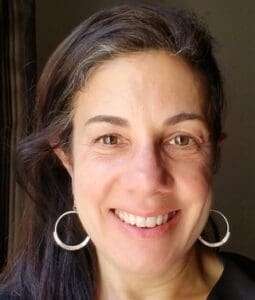
“I went to two open houses and I just immediately loved the feel of ICP. I liked how eclectic it was. Then, I applied and got lucky enough to get in. From there, training was rigorous. In the midst of all the challenges, the faculty, mentoring and supervision were personal and supportive of my growth as a therapist. In addition to expanding my knowledge and skills, the training program helped me build the confidence I needed to be the thriving clinician I am today.”
— Elisa H. Messore, LCSW-R
Upcoming Events
All of our events start promptly at the time indicated.

January 11, 2027 @ 6:30 PM
Trauma Book Group
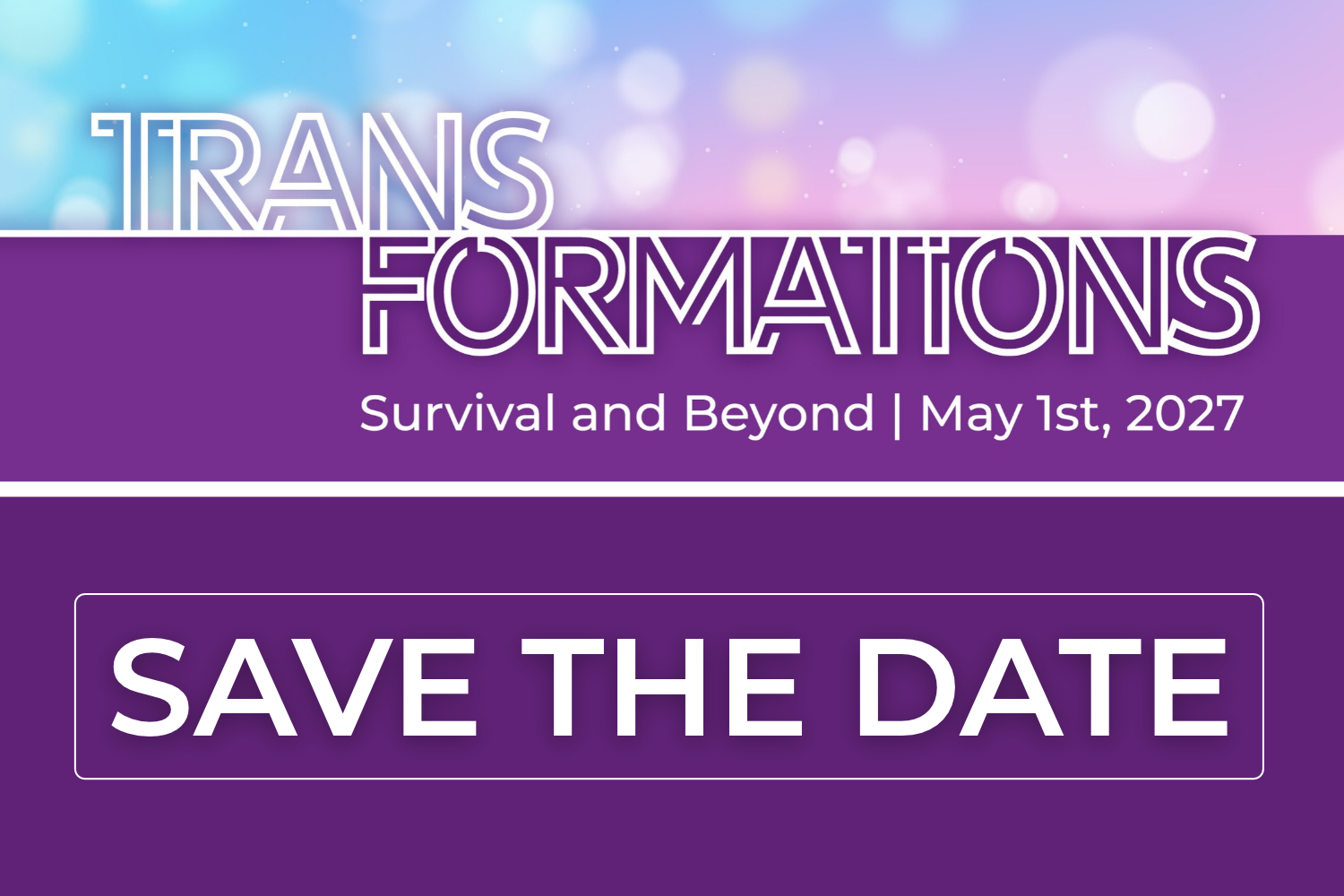
May 1, 2027
Save the Date! TransFormations: Survival and Beyond
Saturday, May 1st, 2027 TransFormations: Survival and Beyond In person at the Ethical Culture Society | New York City TransFormations is one of the longest running clinical conferences focused on […]
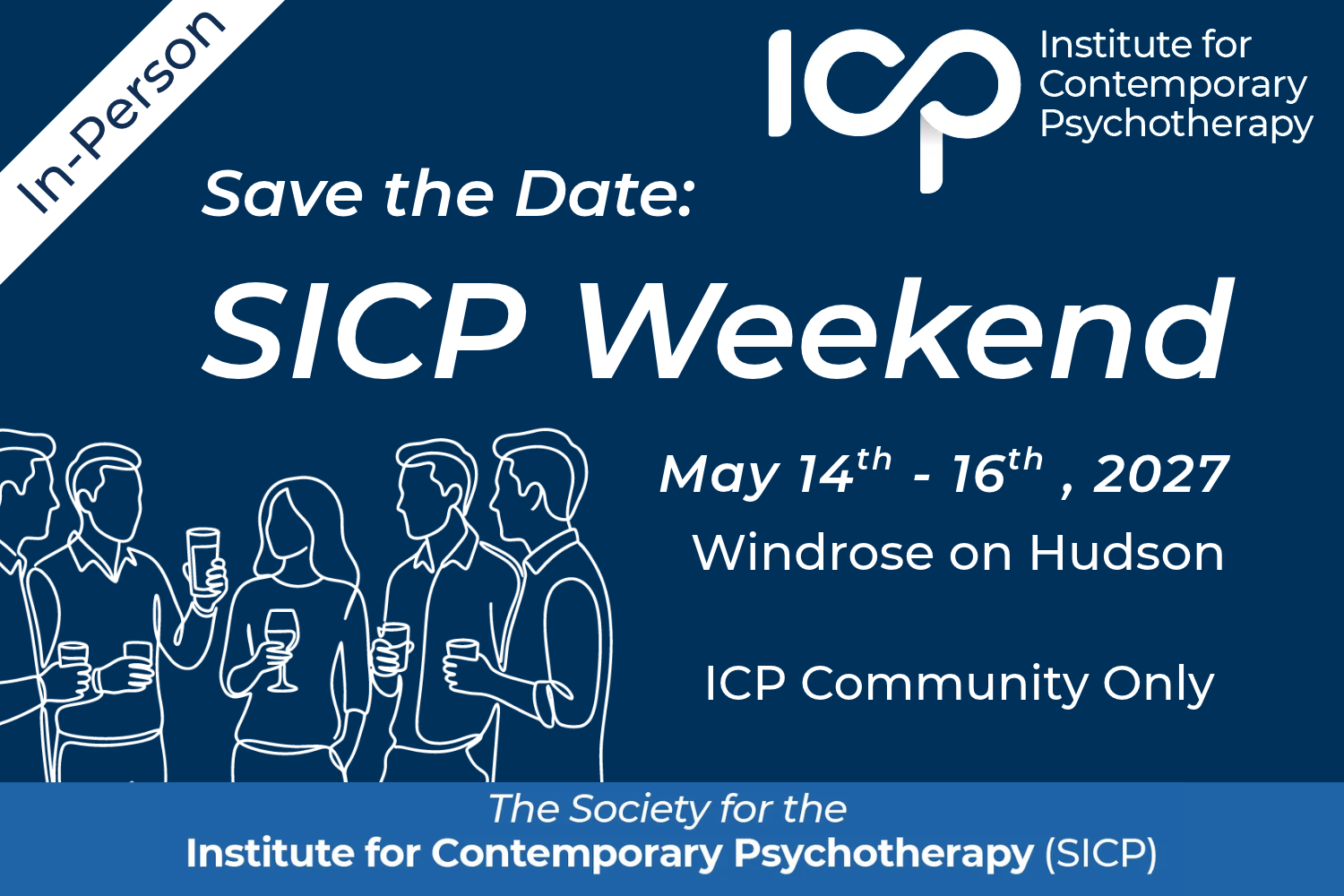
May 14, 2027
SICP Weekend 2027: Holding the Unknown: Psychotherapy in an Age of Rupture
This presentation explores how clinicians can work psychoanalytically with patients whose bodily preoccupations serve a dissociative function. Through four clinical vignettes, it examines somatic countertransference, reverie, and theoretical reframing as tools to foster symbolization, mentalization, and psychological integration.